Illegal Dumping Data for Journalists and Media in Ghana

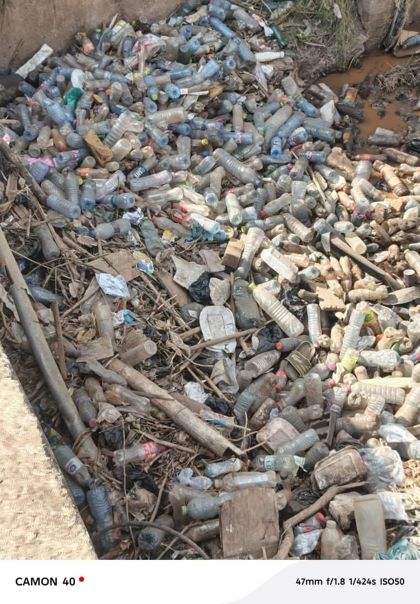
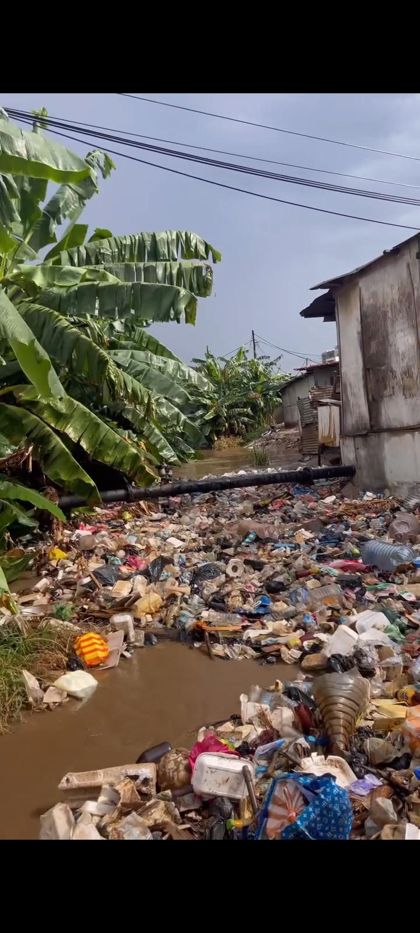
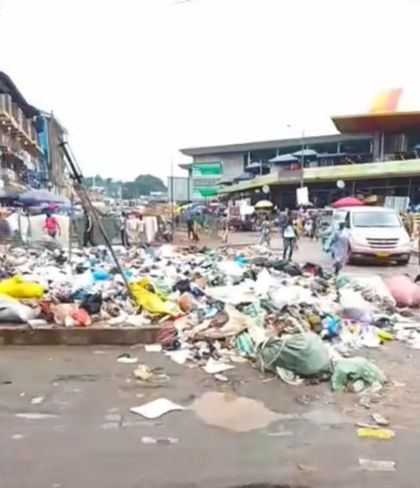
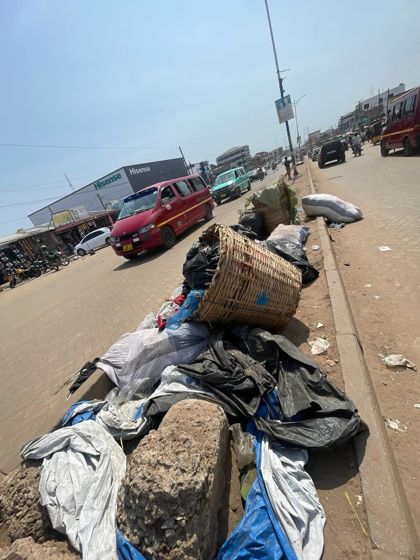
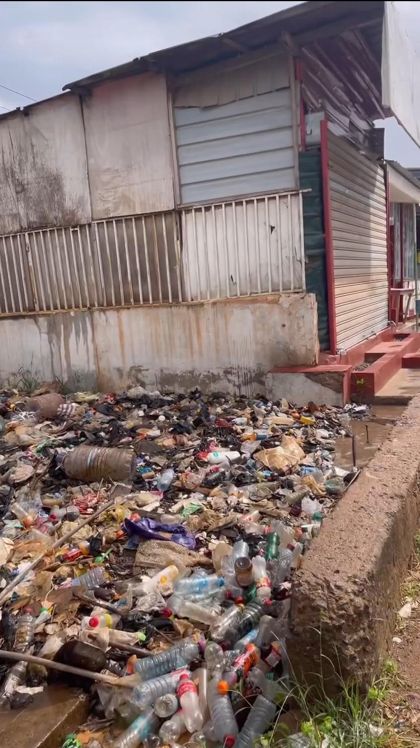
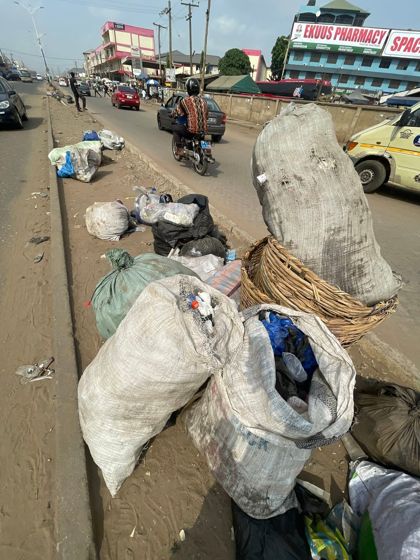
Every illegal dumping report on TrashDrop starts with a resident’s photo. Media accounts get a national, read-only view of those reports and their cleanups, filtered the way your story needs, with a CSV download.

What the data covers

Where and what

Location, area, region and district, photos, waste type and size of each reported site.

What happened next

Status, report and cleanup dates, how long the cleanup took, and cleanup photos.

Who cleaned it up

Whether TrashDrop or a volunteer group cleared the site.

No reporter details

Nothing that identifies the person who reported a site is shared.

How Media access works

  1. 1Sign up as Journalist / Media. Create an account with the Journalist / Media type, your media house and your press ID or accreditation number.
  2. 2Get approved. The TrashDrop team checks and approves Media accounts.
  3. 3Explore the reports. Filter by date range, region, district and status. The view opens on the last 90 days.
  4. 4Download the data. Download what you see as a CSV file, up to 5,000 reports at a time.

Public figures, no account needed

The live illegal dumping map and the environmental impact figures are open to everyone. Read our blog for pilots and project news, or see how volunteer groups clean up reported sites.

Media access FAQ

Journalists, editors, researchers and newsrooms reporting on waste and the environment in Ghana. Sign up with the Journalist / Media account type; the TrashDrop team approves each account.

Illegal dumping reports across Ghana: location, area, region and district, photos, status, report and cleanup dates, size, how long the cleanup took, whether TrashDrop or a volunteer group cleaned it up, and cleanup photos.

No. Reporter accounts and free-text descriptions, which can hold names and phone numbers, are never shown to Media accounts.

No. Media access is read-only.

Each CSV download holds up to 5,000 reports for the filters you choose. Every download is recorded with your account.

Yes. The live illegal dumping map and environmental impact figures on the Partners page are open to everyone.